This approach often leads to unexpected expenses that gradually increase operational costs and reduce the return on investment. Conventional storage systems such as RCC tanks, mild steel tanks, and standard galvanised steel tanks may appear economical at the beginning, but hidden costs emerge through repairs, maintenance, water loss, downtime, corrosion, and eventual replacement.
As Bangalore continues to witness rapid urbanisation, industrial growth, and increasing pressure on water resources, selecting the right storage solution has become more important than ever. Investing in a Zincalume Tank in Bangalore is no longer just about durability. It is about eliminating recurring costs that quietly affect the financial performance of a project.
This article explores five hidden costs associated with conventional water tanks and explains how Zincalume technology addresses these challenges through superior engineering, corrosion resistance, and modular construction.
Looking Beyond the Purchase Price
Every water storage system has two different costs.
The first is the procurement cost, which includes manufacturing, transportation, and installation.
The second is the lifecycle cost, which includes maintenance, structural repairs, operational interruptions, cleaning, leak management, corrosion treatment, and eventual replacement.
For project owners, consultants, and facility managers, lifecycle cost often exceeds the original purchase cost over the service life of a storage system.
Comparison of Initial Cost Versus Lifetime Cost
| Cost Component | Conventional Water Tanks | Zincalume Tanks |
| Initial Purchase | Moderate | Moderate |
| Maintenance Frequency | High | Low |
| Corrosion Repairs | Frequent | Minimal |
| Leakage Repairs | Common | Rare |
| Structural Repairs | Periodic | Limited |
| Expansion Flexibility | Poor | Excellent |
| Expected Service Life | 10 to 20 Years | More than 30 Years |
| Total Lifecycle Cost | High | Significantly Lower |
This comparison highlights why many infrastructure consultants now evaluate water storage based on operational economics rather than purchase price alone.
Hidden Cost 1: Corrosion Repairs That Continue Throughout the Tank’s Life
Corrosion is one of the biggest reasons conventional tanks become expensive. Steel reacts continuously with moisture, oxygen, dissolved salts, and changing environmental conditions. Bangalore experiences alternating wet and dry seasons along with increasing industrial pollution in many regions. These factors accelerate corrosion on ordinary steel tanks. Concrete tanks also suffer from reinforcement corrosion when cracks allow moisture to penetrate the structure. Many Water Storage Tank Manufacturers in India now highlight corrosion resistance as a critical design factor because of these long-term performance challenges.
- The consequences include:
- Rust formation
- Structural weakening
- Water contamination
- Frequent repainting
- Replacement of damaged sections
- Increased inspection costs
Why Zincalume Performs Better
Zincalume steel contains:
- 55% Aluminium
- 43.5% Zinc
- 1.5% Silicon
This alloy coating provides significantly higher corrosion resistance than conventional galvanised steel. Aluminium creates a stable protective barrier, while zinc offers sacrificial protection if the coating is damaged.
The result is a storage system capable of maintaining structural integrity for decades with minimal intervention.
Hidden Cost 2: Water Leakage and Product Loss
Water leakage is often treated as a maintenance issue rather than a financial one.
However, even a minor leak can result in thousands of litres of water being lost every month. For industries relying on treated process water, the cost extends beyond water itself.
Losses include:
- Water treatment expenses
- Pumping energy
- Chemical dosing
- Production interruptions
- Labour required for repairs
Concrete tanks are especially vulnerable to shrinkage cracks and thermal movement. Welded steel tanks may develop stress fractures over time.
How Zincalume Tanks Reduce Leakage
Modern Zincalume tanks use reinforced PVC liners that provide a continuous waterproof barrier inside the tank.
This design minimises:
- Seepage
- Joint leakage
- Water contamination
- Structural moisture damage
For organisations operating under strict water conservation policies, leak prevention directly contributes to lower operational expenditure.
Hidden Cost 3: Expensive Maintenance Shutdowns
Maintenance does not only involve repair costs.
It also affects productivity.
When a conventional water tank requires structural repair, corrosion treatment, or waterproofing, operations may need to stop temporarily.
Examples include:
- Manufacturing facilities
- Commercial buildings
- Hotels
- Hospitals
- Food processing units
- Educational campuses
A shutdown can disrupt production schedules, facility operations, and service delivery.
Why Modular Zincalume Tanks Reduce Downtime
The modular bolted design allows individual components to be inspected or replaced without dismantling the complete structure.
Routine inspections become simpler because the tank components remain accessible.
Reduced maintenance frequency also means fewer operational disruptions throughout the tank’s service life.
Hidden Cost 4: Expansion Becomes a Separate Capital Project
Many organisations underestimate future water demand.
Industrial expansion, population growth, additional production lines, or regulatory requirements may increase storage requirements within a few years.
Unfortunately, conventional tanks offer limited flexibility.
Increasing storage capacity often requires:
- New civil foundations
- Complete reconstruction
- Demolition costs
- Additional engineering approvals
- Longer construction timelines
These expenses significantly increase capital investment.
Modular Expansion Changes the Economics
One of the biggest engineering advantages of a Zincalume Tank in Bangalore is its modular construction.
Additional panels can often be incorporated into the existing structure to increase storage capacity without replacing the original investment.
This provides long-term scalability while reducing future capital expenditure.
Hidden Cost 5: Premature Replacement Due to Structural Ageing
Every storage system has a practical lifespan.
Factors affecting longevity include:
- Corrosion
- Foundation settlement
- Chemical exposure
- Thermal expansion
- UV degradation
- Mechanical stress
Conventional storage systems often require major rehabilitation long before the expected design life.
The replacement process involves:
- Demolition
- Waste disposal
- New construction
- Engineering approvals
- Procurement delays
- Operational interruptions
These indirect expenses are often overlooked during procurement.
Longer Service Life Improves Return on Investment
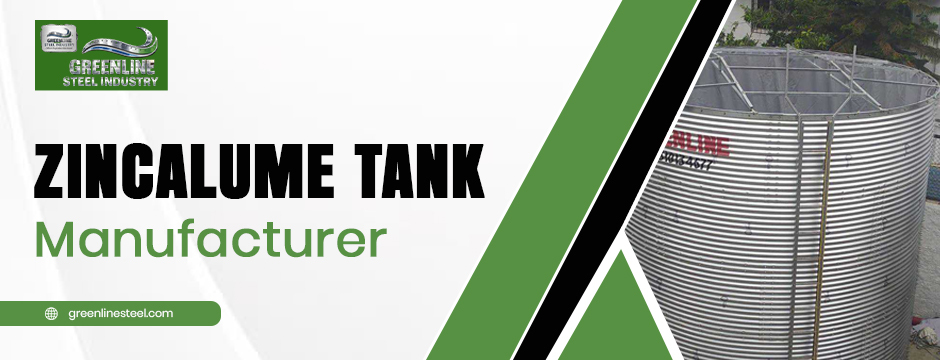
High-quality Zincalume tanks manufactured by a Zincalume Tank Manufacturer are engineered to provide more than 30 years of dependable service under suitable operating conditions. Instead of planning another replacement after fifteen years, organisations can continue using the same storage infrastructure with routine inspection and minimal maintenance.
Why Lifecycle Cost Matters More Than Purchase Price
Experienced consultants increasingly recommend evaluating storage systems using lifecycle costing rather than procurement cost.
Lifecycle Cost Evaluation Parameters
| Evaluation Factor | Importance |
| Corrosion Resistance | Reduces repair expenditure |
| Installation Speed | Minimises project delays |
| Structural Strength | Improves operational reliability |
| Maintenance Frequency | Lowers annual operating costs |
| Expandability | Supports future growth |
| Water Tightness | Prevents water loss |
| Service Life | Improves long-term return on investment |
| Inspection Requirements | Reduces facility management costs |
When these factors are considered together, the lowest purchase price is rarely the most economical solution.
Why Bangalore Projects Demand Better Water Storage Solutions
Bangalore faces unique infrastructure challenges.
Growing urban development, rising commercial construction, increasing industrial demand, and pressure on groundwater require storage systems that remain reliable for decades.
Whether installed in an industrial estate, IT park, residential township, logistics hub, pharmaceutical plant, or institutional campus, the storage system must withstand varying weather conditions while maintaining structural performance.
A properly designed Zincalume Tank in Bangalore offers advantages that extend beyond corrosion resistance.
It supports faster installation, simplified maintenance, long-term reliability, and greater adaptability for future expansion.
Selecting the Right Manufacturing Partner
The quality of the storage tank depends not only on the material but also on the engineering standards followed during manufacturing.
When evaluating suppliers, decision makers should assess:
- Material certification
- Structural design capability
- Manufacturing quality control
- Liner specifications
- Installation expertise
- Compliance with relevant standards
- After-sales support
- Customisation capabilities
Choosing experienced Water Storage Tank Manufacturers helps reduce project risks while ensuring reliable long-term performance.
Similarly, working with an established Tank Manufacturer ensures consistency in material quality, engineering precision, and installation practices.
Projects involving emergency water reserves should also prioritise an experienced Zincalume Fire Water Tank Manufacturer, as fire protection systems require dependable storage capacity, structural integrity, and compliance with applicable safety standards.
Why Material Selection Influences Project Economics
Engineers often describe water tanks as passive infrastructure.
However, passive infrastructure generates active operational costs.
Selecting superior materials at the design stage reduces:
- Maintenance budgets
- Repair frequency
- Water losses
- Downtime
- Future capital expenditure
- Risk of structural failure
This makes material selection one of the most financially important decisions during project planning.
Why Greenline Steel Industry
At Greenline Steel Industry, we understand that a water storage system should deliver value throughout its entire service life, not just during installation. That is why we manufacture Zincalume tanks using premium-grade materials, robust engineering practices, and high-quality reinforced liners that ensure dependable performance across industrial, commercial, agricultural, municipal, and fire protection applications. We work closely with consultants, contractors, developers, and project owners to provide customised storage solutions that match specific capacity requirements, site conditions, and operational needs. Our focus is on delivering durable, low-maintenance water storage systems that help our clients reduce lifecycle costs while maintaining long-term reliability.
Conclusion
The real cost of a conventional water tank is rarely reflected in its purchase price. Corrosion repairs, leakage, maintenance shutdowns, limited expansion options, and premature replacement can substantially increase ownership costs over the years.
For project owners in Bangalore who prioritise durability, operational efficiency, and long-term value, investing in a well-engineered Zincalume tank offers measurable financial and operational advantages. By focusing on lifecycle performance instead of short-term savings, organisations can reduce recurring expenses, improve reliability, and build infrastructure that continues to perform efficiently for decades.